Night Guards — from $119
Four guards, and the night each one is for
| Guard | Price | Material | Built for | Built in |
|---|---|---|---|---|
| Soft night guard | $119 | Soft and cushioned | Light grinding | 6 to 10 business days |
| Hybrid night guard | $159 | Hard outside, soft inside | A bite that chews through soft | 6 to 10 business days |
| Muscle relaxer | $189 | Molded to your bite | A jaw that aches in the morning | 6 to 10 business days |
The first three prices are per arch and the same for the upper or the lower. The mold kit, the postage in both directions and 30 days of adjustments are already inside every number.
Pay in 4 with Klarna or Afterpay at checkout when the order qualifies, and HSA and FSA cards are accepted on all four. How HSA and FSA payment works.
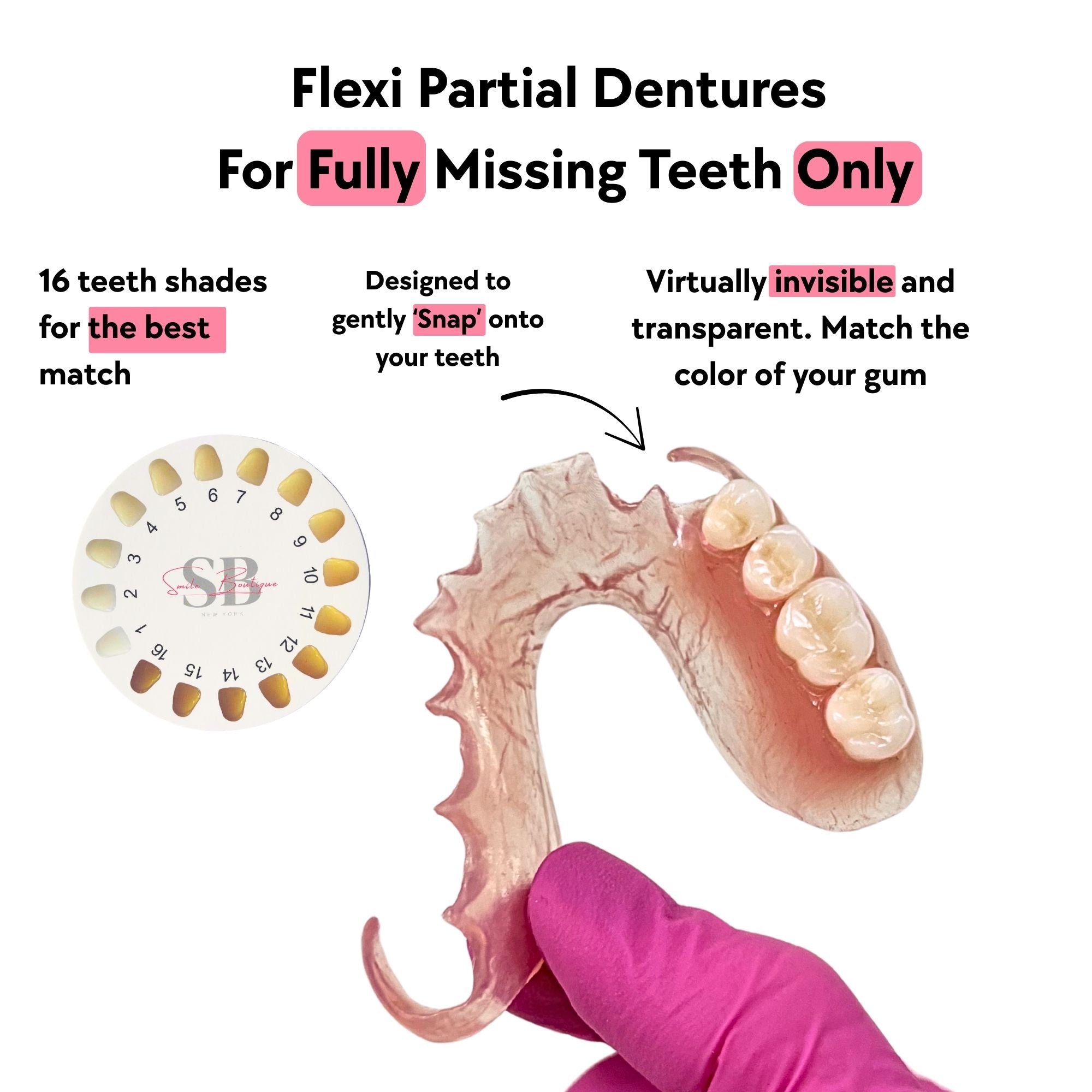
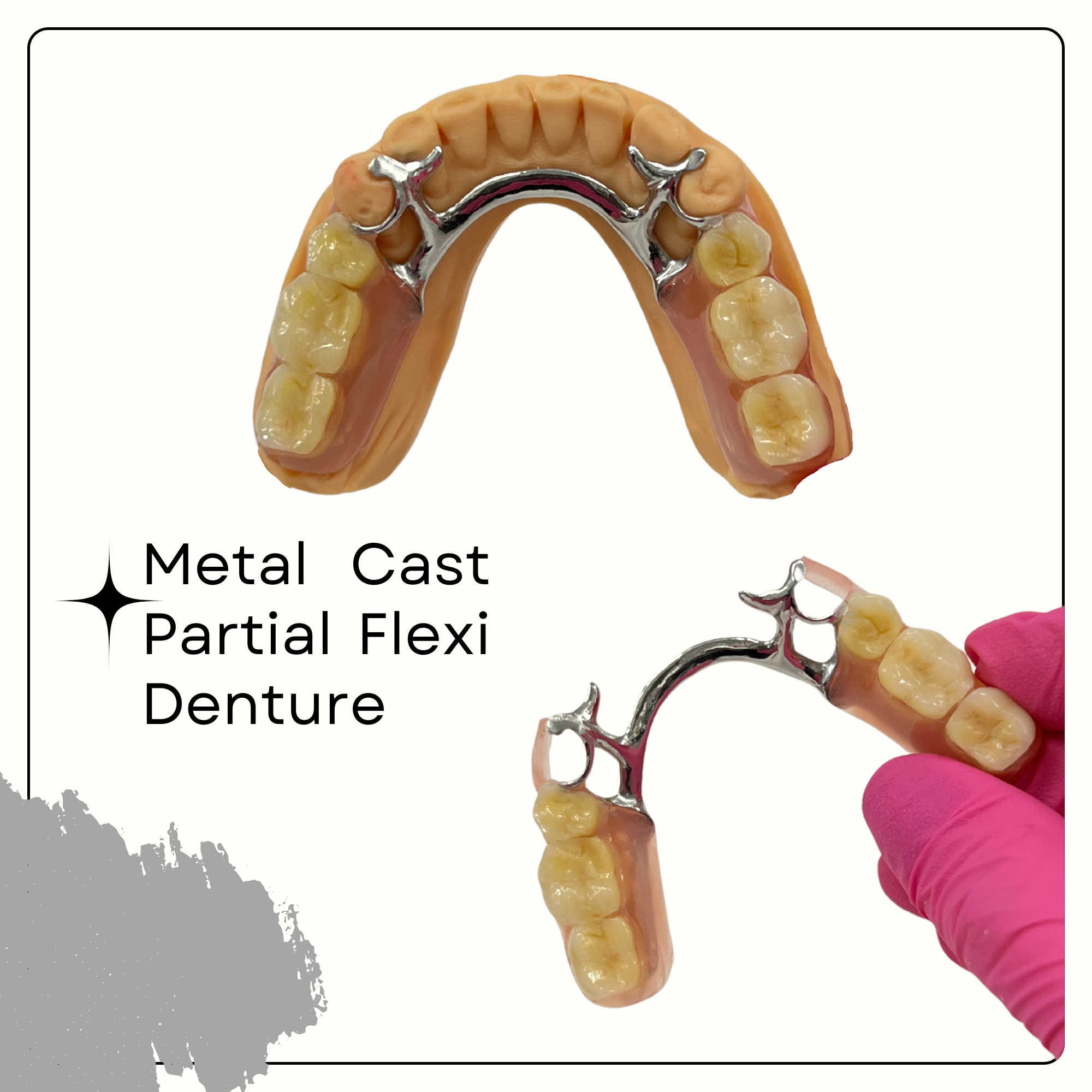
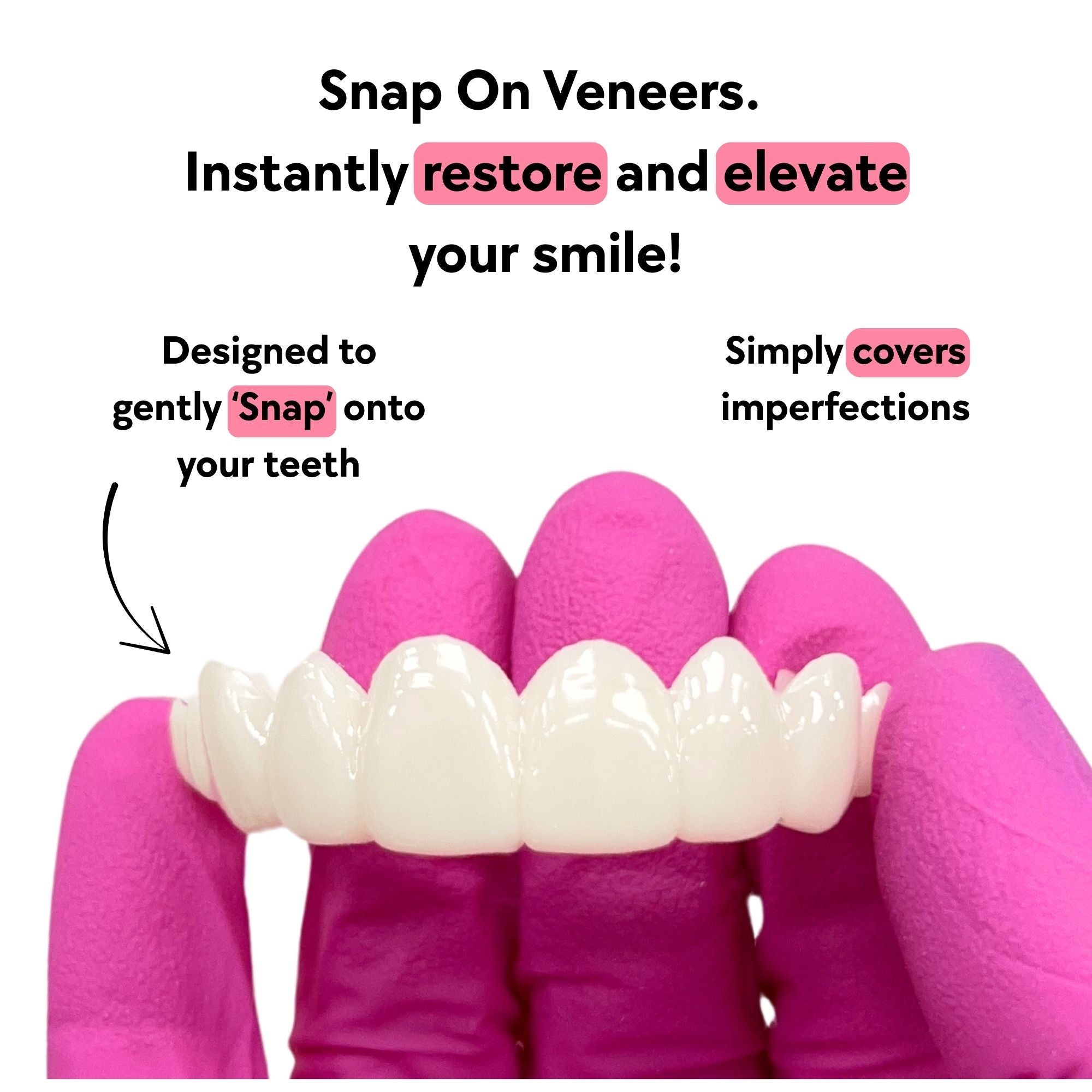
Soft, hybrid or relaxer
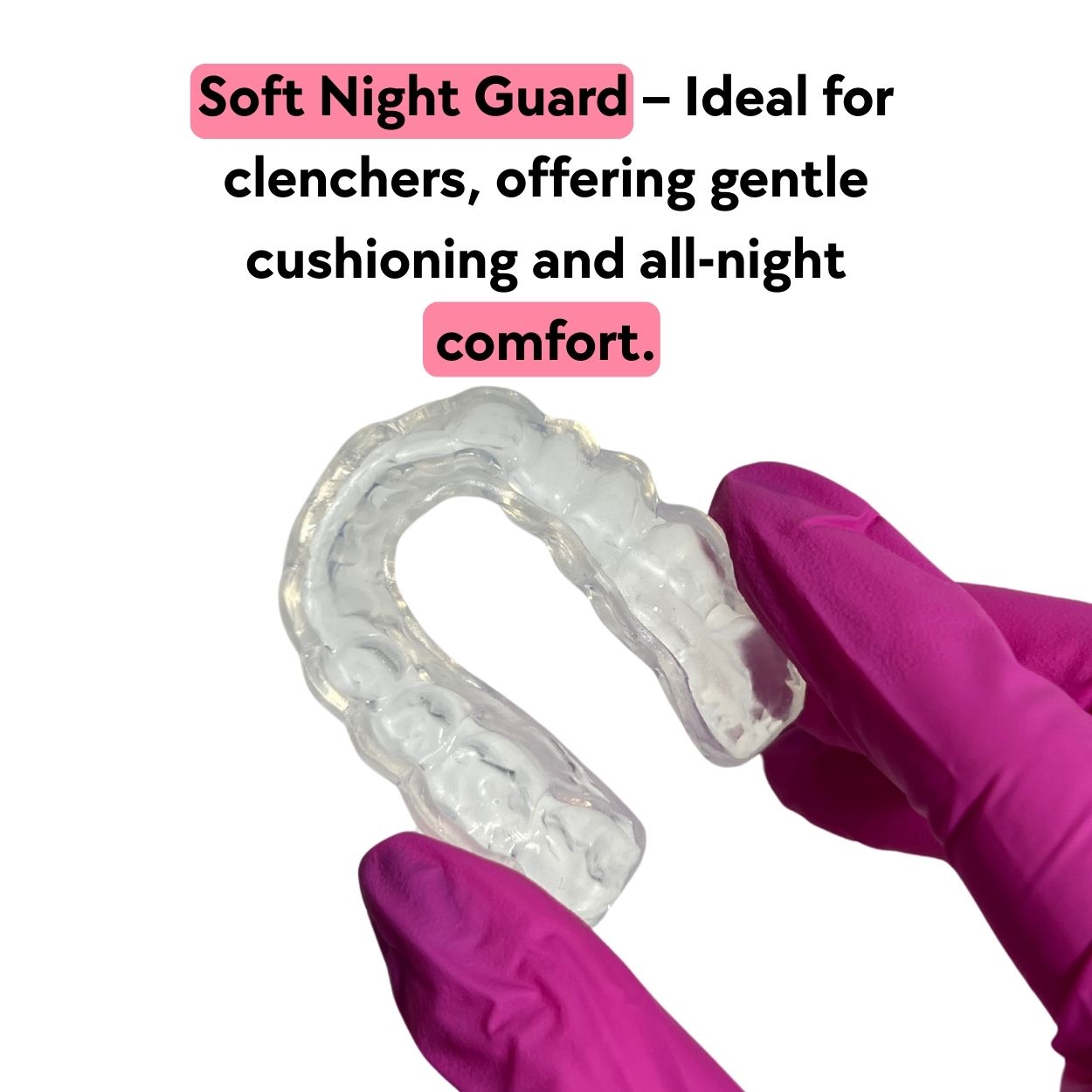
Soft Night Guard
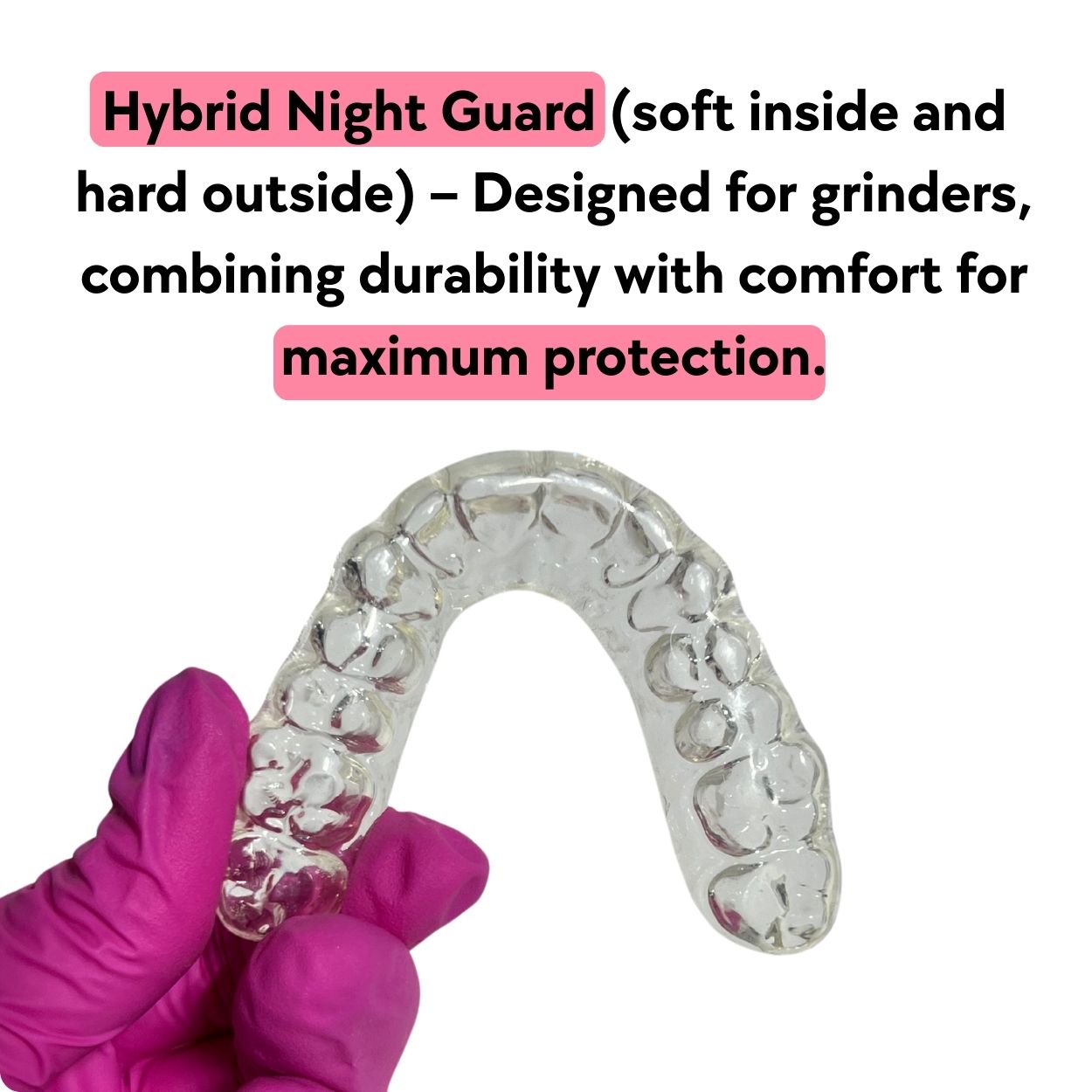
Hybrid Night Guard
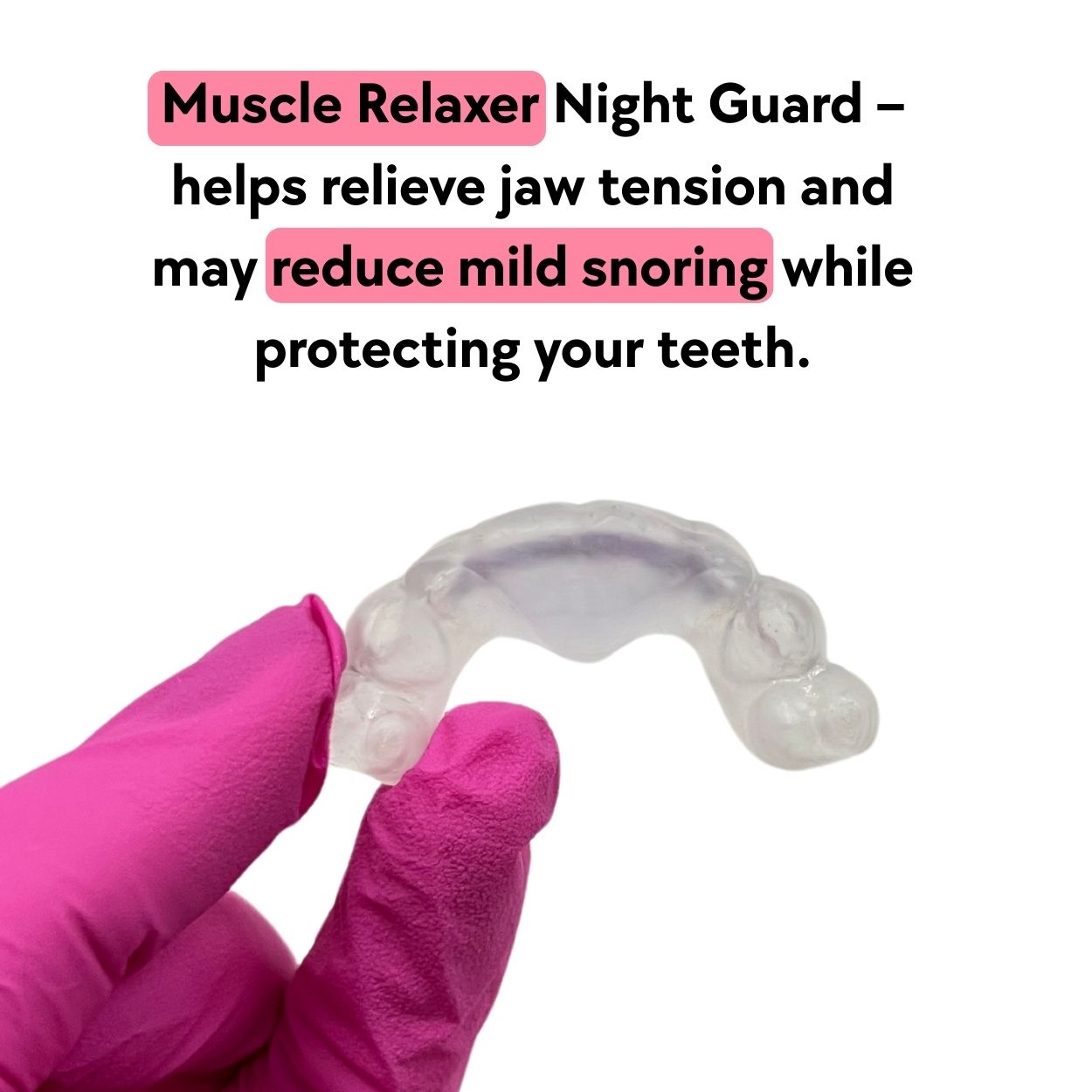
Muscle Relaxer
$119 lab direct against $149 to $221 from other labs
Custom guards from other labs sit between $149 and $221 this month. Ours opens at $119 for the soft, $164 for the hybrid and $189 for the muscle relaxer, and every one of those numbers already holds the mold kit and the postage in both directions.
There is no consultation fee here and no lab fee added after the fact. The number on the card is the number the card is charged.
What a guard costs in a dental chair we are not going to quote, because we hold no figure we could stand behind. Ask your own practice for theirs and set it beside these three.
A molded guard against a boil and bite tray
A drugstore tray is softened in hot water and pressed onto your teeth. It covers them. It does not hold the bite, because nothing ever measured the bite.
A molded guard is cut from an impression of your own arch, so the thickness is even, the edges stop where they should and the piece stays on the teeth it was made for all night. That is what keeps it from being chewed flat inside a few months.
A tray that shifts in the night does less than it looks like it does, because a guard only takes the wear while it is sitting where it was put.
Upper or lower, and why that is a real question
The upper arch is the usual choice and the easier one to get used to, because the tongue has less to argue with up there.
The lower goes in when the upper makes you gag, when the upper arch carries crowns or a bridge you would rather not load, or when the wear you can see is on the bottom teeth. The price is the same either way.
One mold covers whichever arch you pick, and both arches are simply two orders of the same appliance. The mold stays on file for two years, so the second one usually needs no new kit from you.
What a night guard fixes and what it does not
- It takes the wear that would otherwise land on your own enamel
- It does not stop the grinding, the habit is still there in the morning
- It does not treat a jaw joint and it is not a cure for a headache
- It is not a breathing device and it has no place in a sleep apnea plan
- It is not a retainer, it holds nothing in position
Everything in that second list belongs with a dentist or a doctor rather than with a lab. What a lab can promise is the piece itself, cut from your own mold, and the wear landing on it instead of on you.
Teeth that have drifted rather than worn are the clear retainer page. A tooth that is gone is the flipper page. The daily routine for all of them is on care and use.
Your mold, at your own table
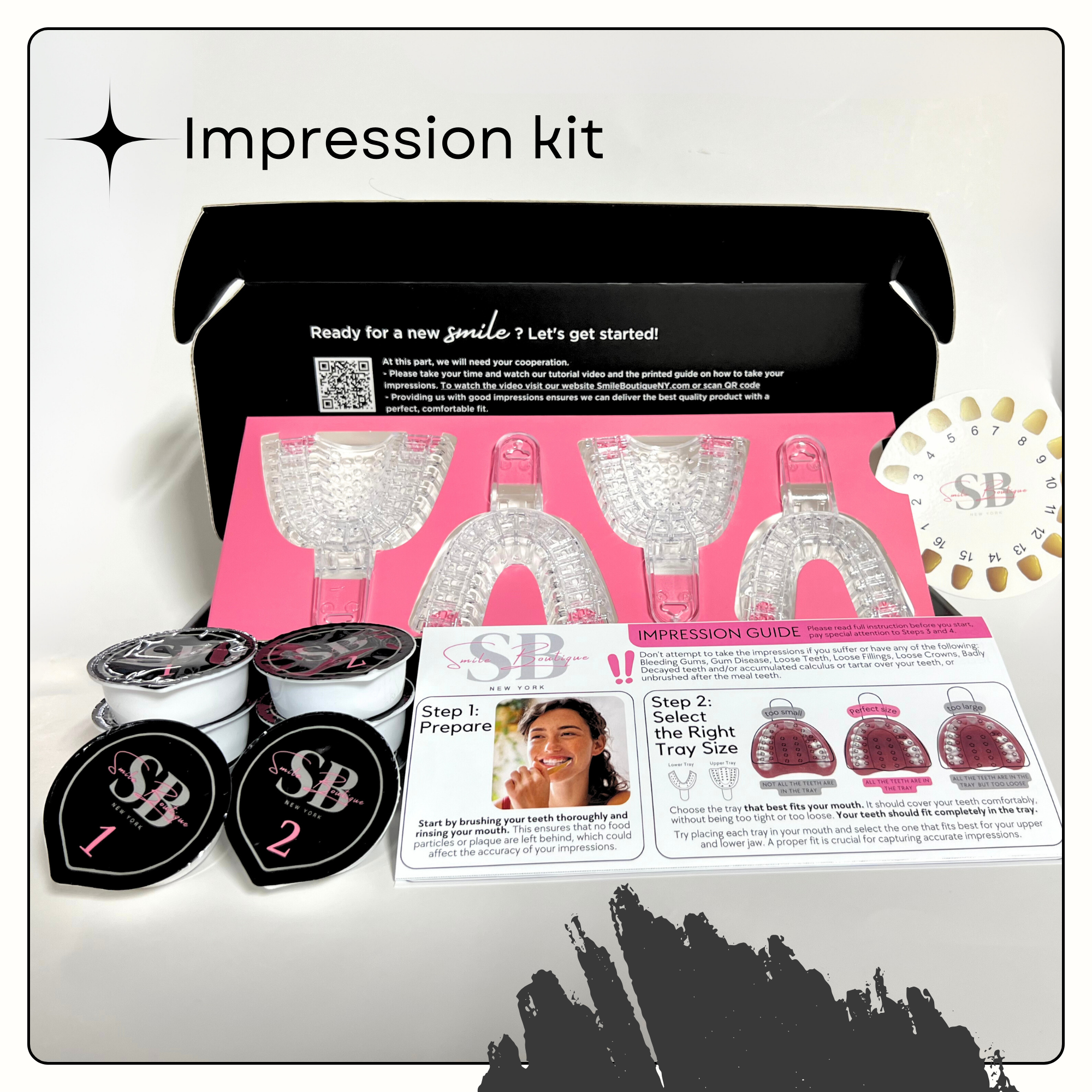
- The mold kit ships inside the price and reaches you by USPS in 3 days or FedEx overnight.
- You take the impressions at home, send the photos we ask for, and mail the trays back with the prepaid label.
- A technician reads the mold and the guard is cut in 6 to 10 business days.
A mold that comes back short gets an answer saying what went wrong with it. A fresh kit is $40, a fresh set of putty on its own is $25, and the step by step is on the impression page.
In a hurry, rush manufacturing cuts the bench time to 3 to 4 business days for $150.
Cleaning, storage and when to replace it
Rinse it the moment it comes out in the morning and brush it gently with a soft brush and no toothpaste. Cold water only, because hot water is what warps a guard out of the shape it was cut to.
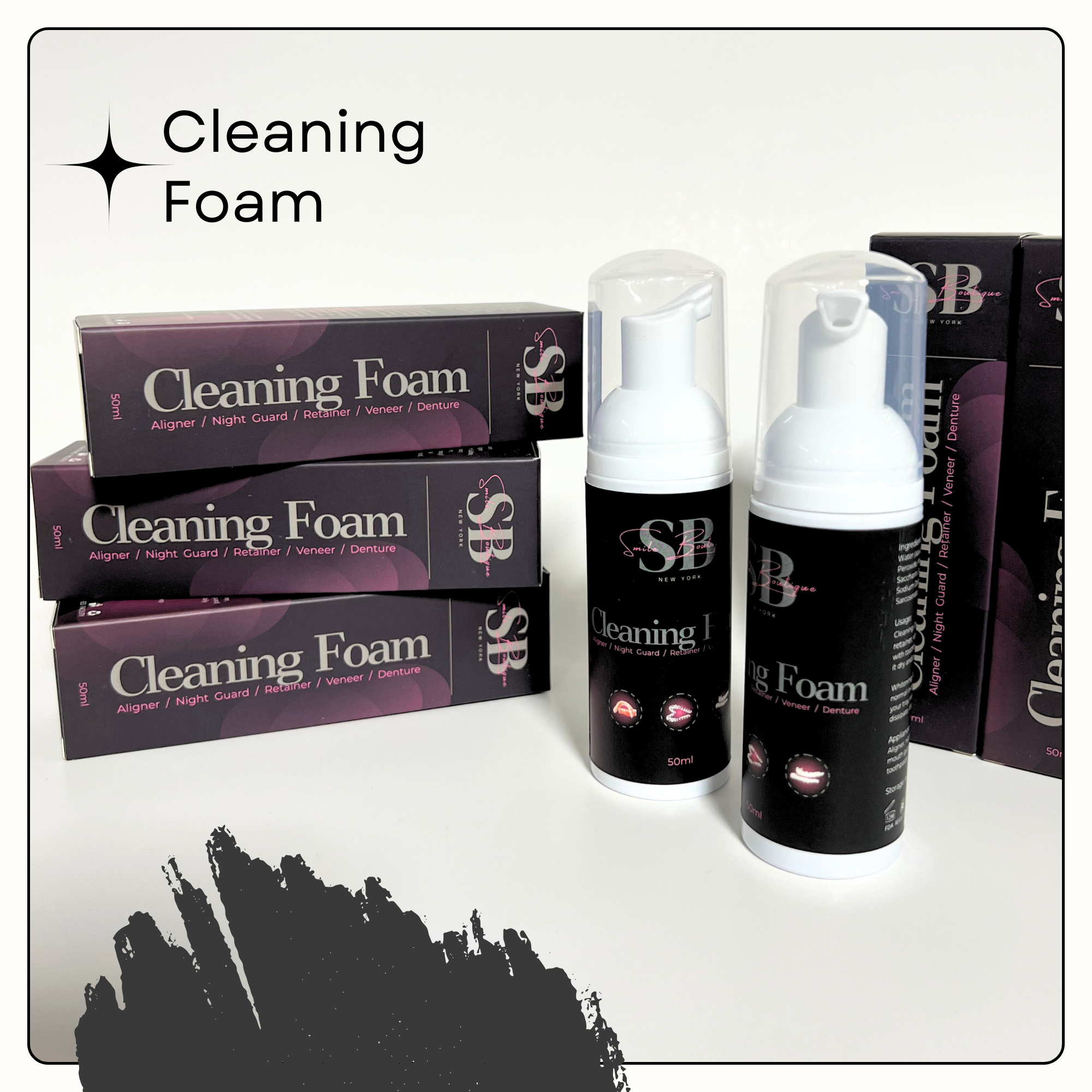
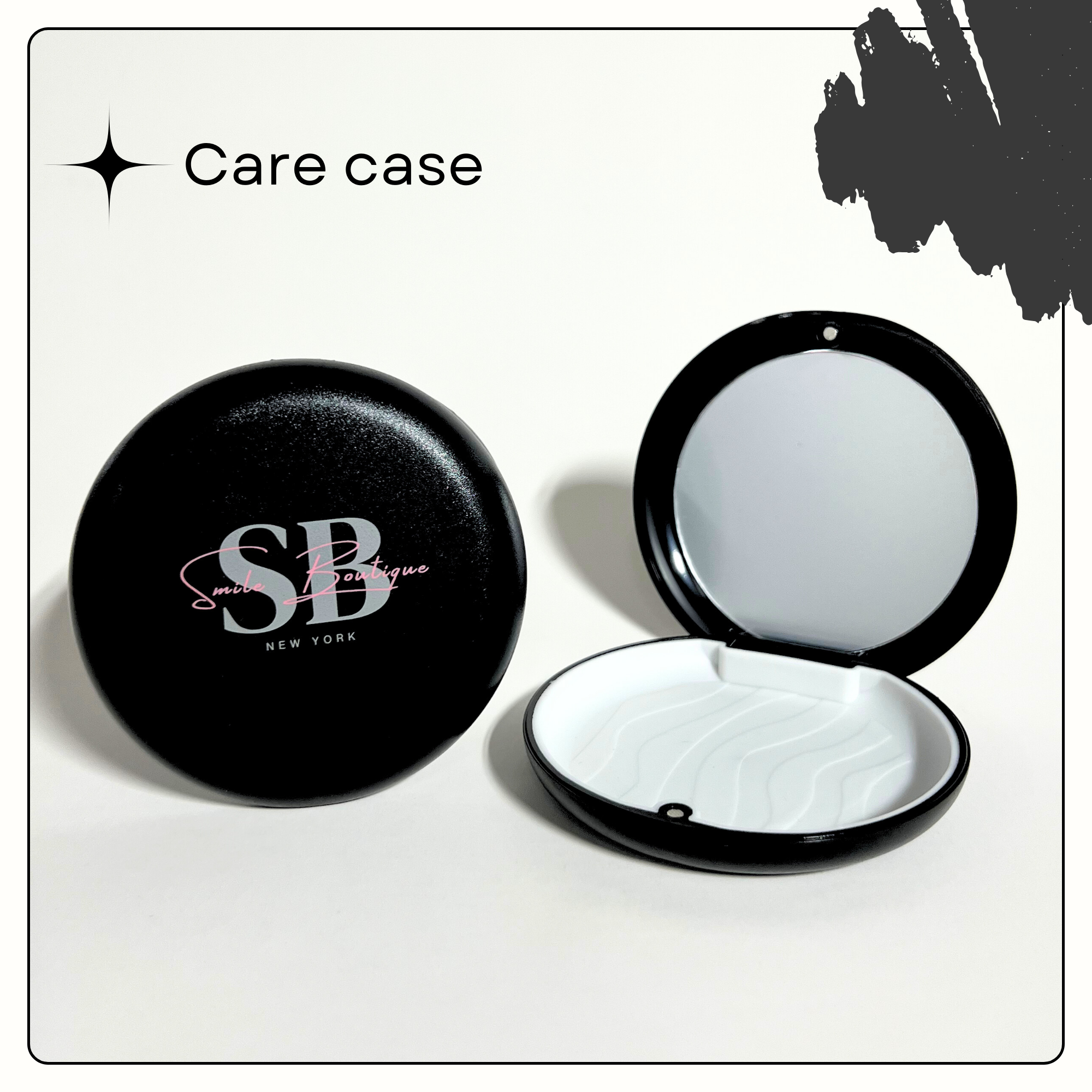
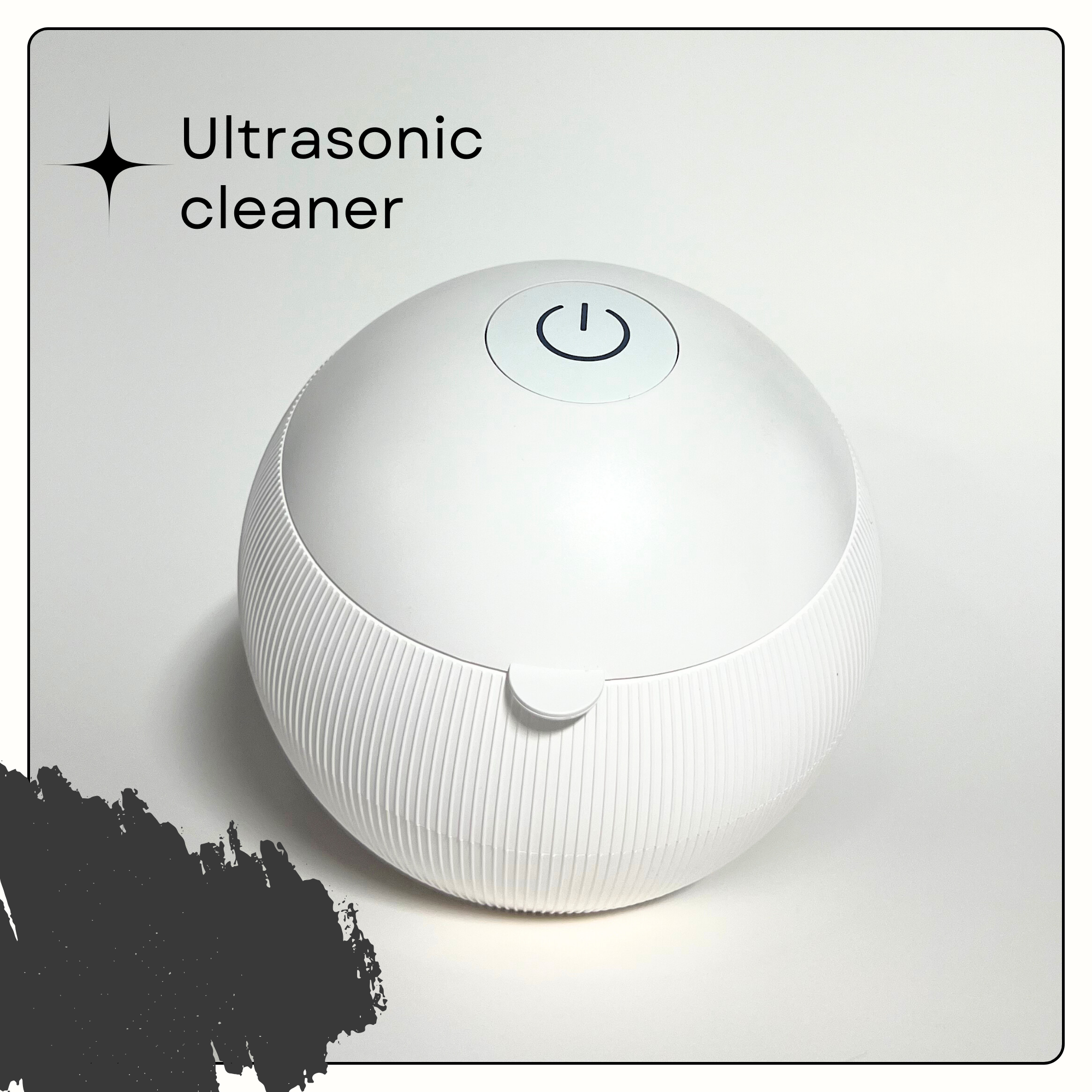
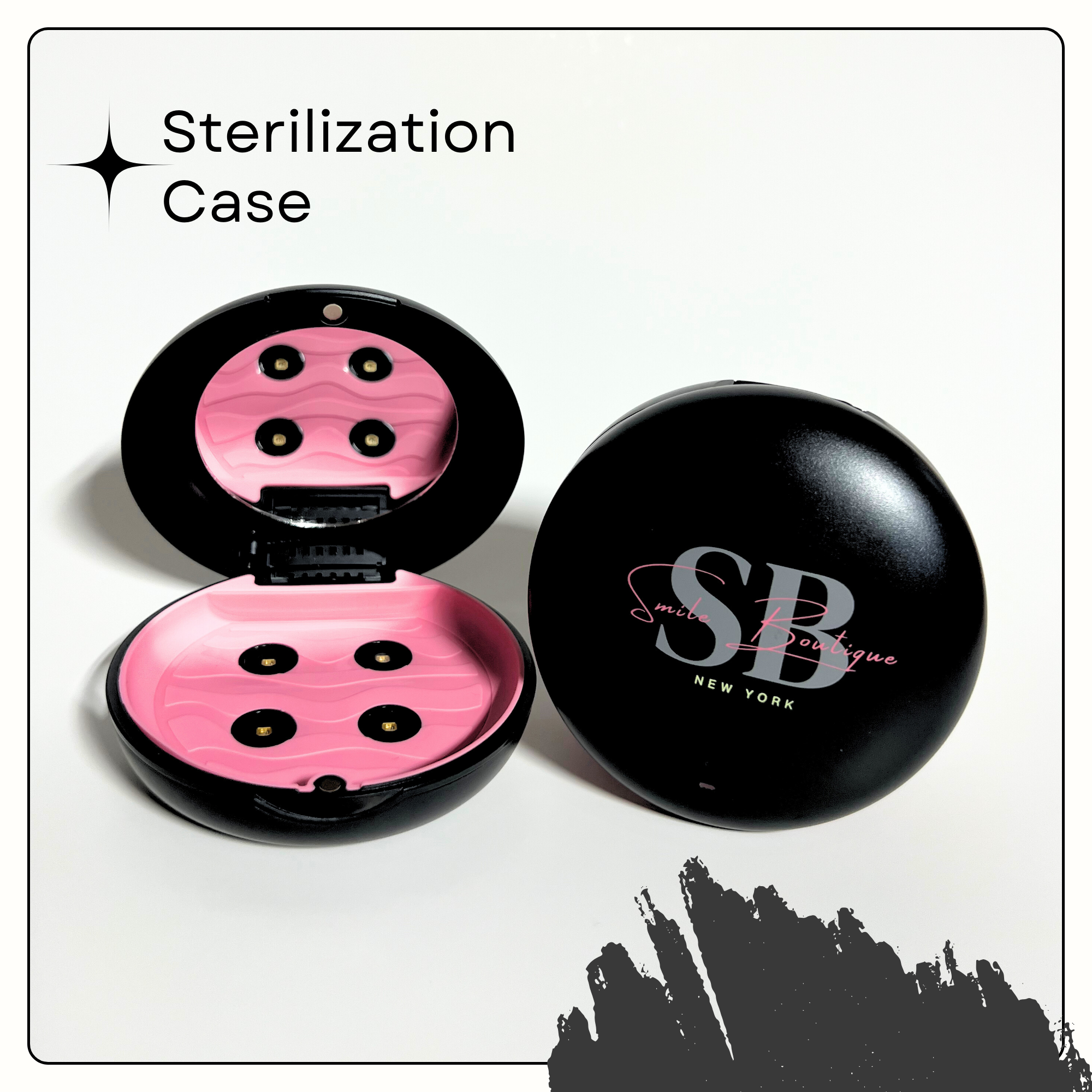
Store it dry and in air rather than sealed in a wet box. The cleaning foam is $24.99, the UV case is $29.99 and the ultrasonic bath is $54.99.
Replace it when the surface has dished where you bite, when it has split, or when it stops seating on the same teeth the way it did on the first night. Inside 60 days a fault in the build is ours to redo.
Thirty days on fit, sixty on the build
- 60 days of manufacturer warranty, counted from the day the box arrives
- 30 days on fit, with unlimited adjustments
- If adjusting does not settle it, we remake it, and if the same problem comes back a technician reads the case by hand
Questions people ask before they order
How much does a custom night mouth guard cost
$119 an arch for the soft, $159 for the hybrid and $189 for the muscle relaxer. Custom guards from other labs sit between $149 and $221 this month.
Can I get a custom mouthguard made at home
You take the mold at home and we cut the guard here. The kit reaches you by USPS in 3 days or FedEx overnight and the guard is built in 3.
Is a custom night guard worth it
A drugstore tray covers teeth, a molded guard holds the bite. That is what stops it from being chewed flat inside a few months, and here it starts at $119 an arch.
Can you get a night guard without going to the dentist
Yes. The kit travels to you, you take the impressions at your own table, a technician reads them and the guard is cut from your own mold.
Which is better, a night guard from the dentist or online
Both are cut from an impression of your arch, so the piece is the same kind of piece. The difference is where the impression is taken and what the chair time adds to the bill.
What is the downside of wearing a night guard
It takes about a week before you sleep through it, and it needs rinsing every morning. Left dirty it picks up smell and stain.
What can I use instead of a mouthguard at night
A drugstore tray is the only other thing on the shelf, and it does not hold the bite. Anything past that is a question for a dentist rather than for a lab.
Should I get a guard for the upper or the lower arch
Upper is the usual choice and the easier one to wear. Lower goes in when the upper makes you gag or when the upper arch carries crowns you would rather not load. The price is the same.